
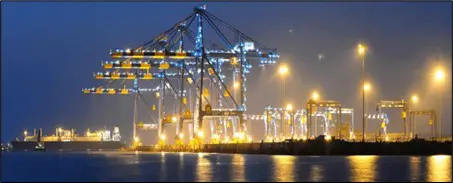
Ports are the arteries of global trade, handling over 80% of international commerce. Their critical role makes them irresistible targets for a growing array of threats, from traditional smuggling and terrorism to sophisticated cyberattacks. While the International Ship and Port Facility Security (ISPS) Code, adopted in 2004, has provided a crucial baseline for maritime security, simply “ticking boxes” for compliance is no longer enough to safeguard these vital gateways. The evolving threat landscape demands a proactive, intelligence-driven approach that goes far beyond minimum standards.
The Peril of Passive Compliance: More Than Just a Checklist
The ISPS Code was a landmark achievement, standardising security measures across 174 SOLAS member states and over 10,000 port facilities. However, its implementation can sometimes devolve into a mere checklist exercise. This “tick-box” mentality often misses the nuance of multidimensional risks and fails to adapt to dynamic threats. For instance, a 2019 IMO survey highlighted that 30% of Port Facility Security Officers (PFSOs) lacked advanced training, leading to gaps in execution despite procedural compliance. Furthermore, an academic study revealed over 14,000 security breaches where measures were circumvented, and 24,000 suspicious activity reports, underscoring that formal adherence does not always equate to impregnable security.
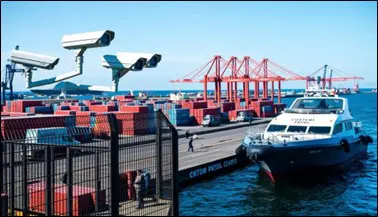
The Evolving Threat Landscape: The Age of Digital Vulnerability
While physical threats persist, cybersecurity has rapidly become the most insidious challenge for ports. The interconnected nature of modern port operations, from cargo handling to navigation systems, creates vast attack surfaces. Global cybercrime costs are projected to exceed USD 10 trillion by 2025, with the average cost of a cyberattack on a maritime organisation surpassing USD 550,000. Recent data from 2024 shows alarming figures: over 1,800 vessels targeted in the first half of the year, 23,400 malware detections, and 178 ransomware attacks affecting the maritime sector.
High-profile incidents, such as the DDoS attack on TankerTrackers and ransomware breaches affecting BR Logistics USA and Magsaysay Maritime Corporation, highlight the severe operational and financial fallout. Vulnerabilities like legacy systems, insufficient IT expertise, and shadow connectivity in Operational Technology (OT) networks provide fertile ground for attackers. A “tick-box” approach, focused on past threats, leaves ports dangerously exposed to these rapidly evolving digital adversaries.
Beyond Compliance: Investing in Proactive Security
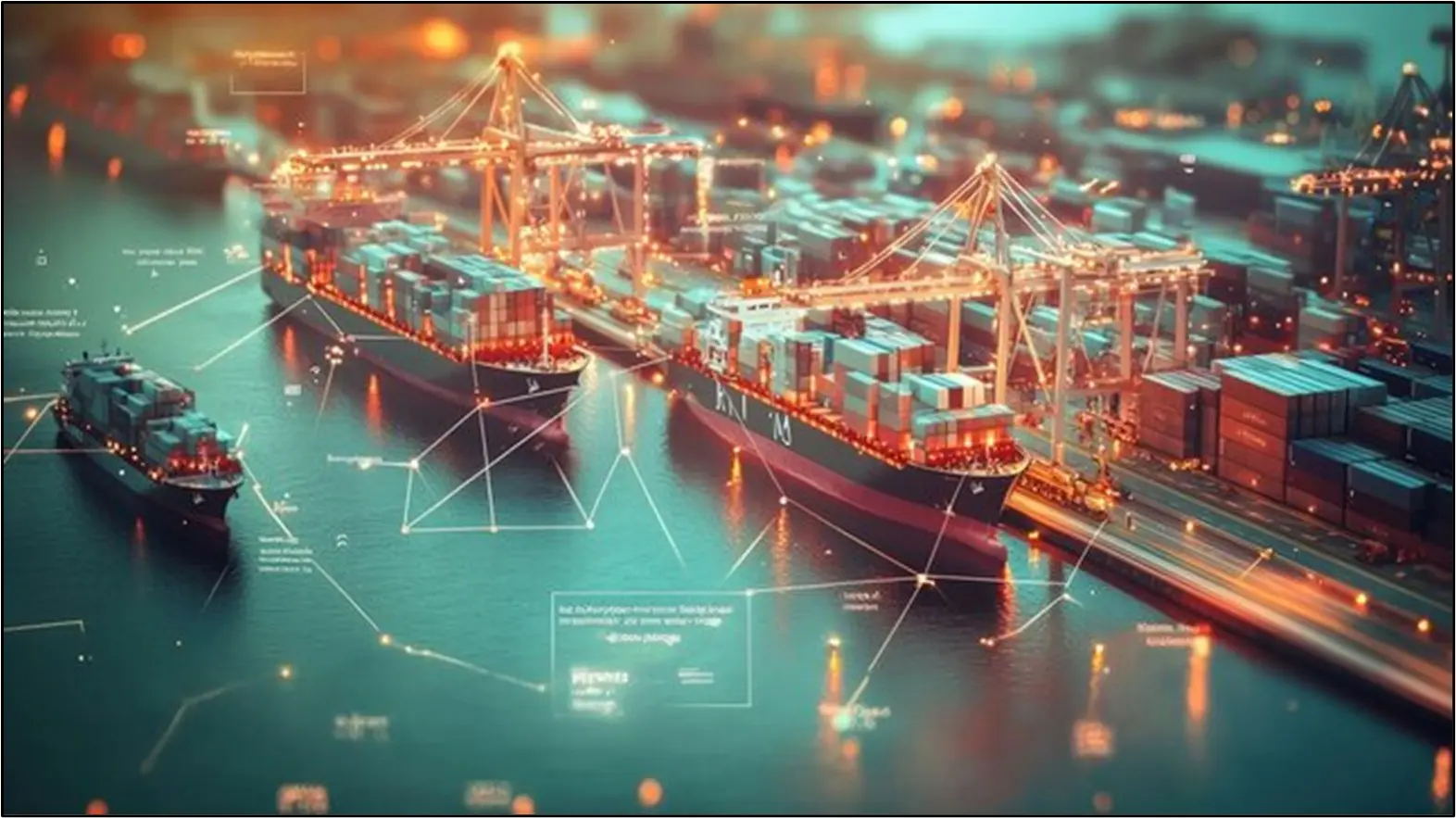
Moving beyond mere compliance requires a strategic investment in proactive security measures, advanced technologies, and continuous personnel development. This shift transforms security from a cost centre into a strategic advantage, enhancing operational resilience and safeguarding supply chain integrity.
- Embracing Advanced Technology.
- Artificial Intelligence (AI) & Predictive Analytics. AI is revolutionising port security technology. AI-powered surveillance systems can detect anomalous behaviour in real-time, predict potential threats, and optimise operational efficiency. For instance, AI-powered Port State Control (PSC) intelligence can significantly reduce port congestion and detentions, leading to lower operational expenditures. Studies suggest that shifting from reactive to predictive maintenance using AI can save 10-20% of maintenance budgets.
- Internet of Things (IoT) Integration. IoT devices provide real-time data on everything from cargo conditions to equipment performance. This enhances visibility, enables predictive maintenance, and improves overall situational awareness for security teams, contributing to smarter, more efficient port operations.
- Cyber Resilience Frameworks. Beyond basic firewalls, ports need comprehensive cyber resilience strategies, including network segmentation, intrusion detection systems, end-to-end encryption, and robust incident response plans. The IACS’s new Unified Requirements (UR E26 and E27) for ships constructed after July 1, 2024, are a step towards better maritime cybersecurity standards.
- Elevating Human Capital.
- Advanced Security Officer Training. Continuous and specialised training for PFSOs and port staff is paramount. This includes drills, certifications, and vital awareness campaigns on phishing and social engineering tactics. A well-trained workforce is the first line of defence against both physical and cyber threats.
- Global Intelligence Sharing. Active participation in intelligence-sharing initiatives, such as INTERPOL’s Global Maritime Security Database and collaboration with international law enforcement, provides critical insights into emerging threats and criminal networks. Information sharing strengthens collective security.
The High Cost of Complacency: Financial and Reputational Risks
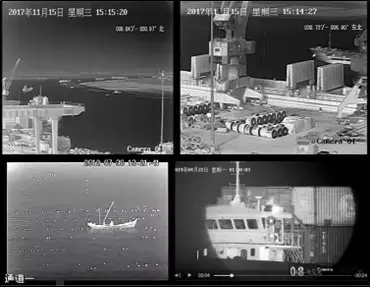
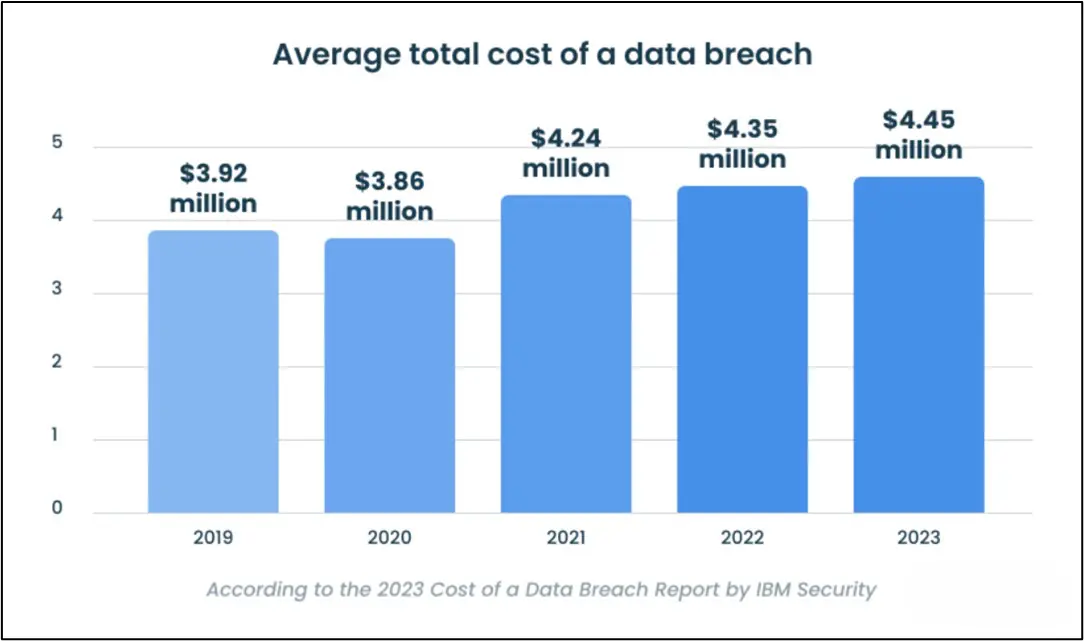
The financial and reputational fallout from security breaches far outweighs the investment in robust security measures. A hypothetical cyber-attack across Asia Pacific targeting just 15 ports could lead to an estimated loss of up to USD $110 billion, largely uninsured. The infamous Maersk cyberattack in 2017, caused by NotPetya, resulted in losses exceeding USD $200 million. More recently, a ransomware attack on the Port of Seattle in August 2024 led to significant cargo delays and a data breach affecting 90,000 individuals. These incidents underscore that security is not just about compliance, but about protecting immense economic value and maintaining trust.
Conclusion: Securing the Future of Global Trade
The “tick-box” approach to port security is a relic of the past, inadequate for the complexities of the modern threat landscape. While the ISPS Code provides an essential foundation, ports must strive for risk-based security solutions that are dynamic, technologically advanced, and continuously evolving. By investing in cutting-edge technologies, fostering a highly trained workforce, and prioritising intelligence-driven strategies, ports can transcend basic compliance. This commitment not only safeguards their operations and the flow of global trade but also solidifies their position as secure, efficient, and resilient gateways to prosperity.
