
 The global maritime industry, the backbone of international trade, relies heavily on its ports. These vital gateways handle over 80% of global trade by volume, making their uninterrupted operation critical for supply chain stability and national economies. However, ports are increasingly facing a complex array of threats, from evolving cybersecurity risks and physical breaches to geopolitical tensions and environmental challenges. In this dynamic landscape, simply complying with baseline security measures like the ISPS Code is no longer enough. To truly safeguard operations and ensure continuity, ports must embrace a strategic, proactive approach: continuous security assessments.
The Evolving Threat Landscape for Ports
Ports are high-value targets, and the frequency and sophistication of attacks are on the rise. Recent data underscores this escalating risk:
- Maritime security incidents. encompassing everything from piracy to criminal activities, have seen a significant increase, with one report noting a jump from 640 events in 2017 to over 1,145 in 2024. Piracy, in particular, has seen a resurgence in 2024 with 18 reported incidents.
- Cyberattacks. pose a growing and insidious threat. Reports indicate that as many as one in five shipping companies experienced a cyberattack in the past year. High-profile incidents, such as the hacking of a major naval fleet or ransomware attacks on global port operators, highlight the devastating potential. In April 2024 alone, coordinated cyberattacks on multiple ports reportedly led to over $500 million in financial losses. The Port of Los Angeles, a prime example, reportedly blocks 63 million cyber intrusion attempts per month, showcasing the relentless nature of these threats.

These disruptions have far-reaching economic consequences, impacting everything from increased insurance premiums and extended shipping routes (as seen during the Red Sea crisis) to port congestion, production halts, inventory shortages, and inflationary pressures. The ripple effect across global supply chains is immediate and costly.
Beyond Compliance: Why Continuous Security Assessments Are Indispensable
While the International Ship and Port Facility Security (ISPS) Code provides a foundational framework for maritime security, its periodic review cycles may not keep pace with rapidly evolving threats. This is where continuous security assessments step in, offering a proactive and adaptive shield for port operations.
Continuous security assessments involve an ongoing, systematic evaluation of a port’s entire security posture – from physical infrastructure and operational procedures to IT networks and personnel. It’s a shift from reactive problem-solving to proactive risk mitigation, ensuring vulnerabilities are identified and addressed before they can be exploited.
Key benefits of adopting this strategic approach include:
- Enhanced Threat Detection and Mitigation. Real-time monitoring and continuous vulnerability scanning allow ports to detect and respond to emerging threats, including sophisticated cyber threats like phishing, ransomware, and IoT vulnerabilities, as well as physical risks like unauthorised access and insider threats.
- Strengthened Compliance and Governance. Beyond ISPS, continuous assessments help ports align with other critical international standards such as ISO 28000 (Supply Chain Security Management System) and the WCO SAFE Framework, which emphasise comprehensive risk management and supply chain resilience. This proactive compliance can also lead to benefits like potentially reduced corporate insurance premiums.
- Optimised Resource Allocation. By continuously identifying weaknesses, ports can strategically allocate security resources to areas of highest risk, maximising the impact of their investments.
- Improved Operational Efficiency. A secure environment reduces the likelihood of costly disruptions, leading to smoother operations, faster cargo throughput, and greater predictability for stakeholders.
- Increased Situational Awareness. Continuous data collection and analysis provide port authorities with a holistic view of their security landscape, enabling informed decision-making.
- Building Trust and Confidence. A demonstrable commitment to robust, continuous security enhances a port’s reputation, attracting more business and strengthening its position in the competitive global maritime trade.
Implementing a Strategy of Continuous Assessment
Achieving true port resilience through continuous security assessments requires a multi-faceted approach, leveraging both established frameworks and cutting-edge technologies:
- Integrated Security Management Systems. Adopting frameworks like ISO 28000 provides a systematic approach to identifying and managing security risks across the entire supply chain. It emphasises a Plan-Do-Check-Act (PDCA) cycle, ensuring continuous improvement.
- Advanced Technology Integration.
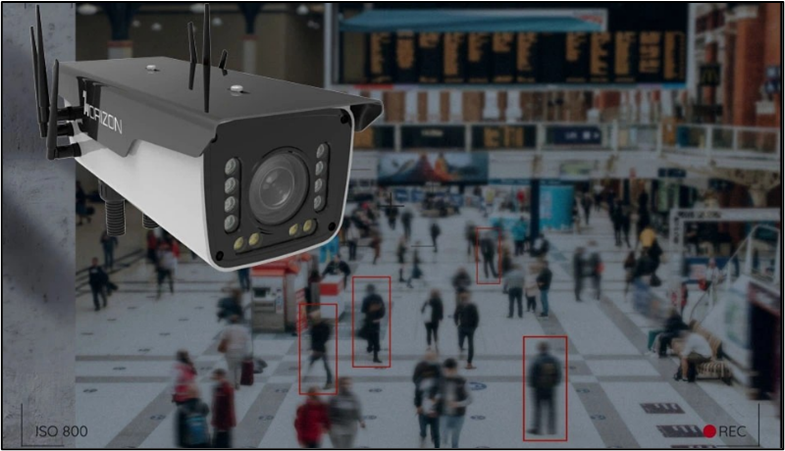
- AI-powered surveillance. Utilising Artificial Intelligence and machine learning with HD cameras and drones for automated threat detection and anomaly identification.
- IoT Sensors. Deploying Internet of Things (IoT) sensors for real-time monitoring of physical access points, cargo, and environmental conditions.
- Cybersecurity Solutions. Implementing robust firewalls, intrusion detection systems, network segmentation, endpoint detection and response (EDR), and regular penetration testing to fortify digital defences.
- Digital Twins and Predictive Analytics. Creating virtual replicas of port operations to simulate scenarios, predict potential vulnerabilities, and optimise security responses.
- Biometric Access Controls. Enhancing physical security with advanced biometric authentication systems.
- Human Factor Emphasis. Regular and realistic security drills, training programs, and fostering a strong security culture among port personnel are crucial to combatting insider threats and human error.
- Collaborative Ecosystems. Fostering strong partnerships with government agencies, law enforcement, cybersecurity firms, and other ports to share intelligence and best practices.
The Future is Resilient
In an era defined by unpredictable global events and constantly evolving threats, the concept of port resilience has never been more critical. Moving beyond mere compliance, continuous security assessments offer ports the strategic advantage needed to not only withstand shocks but also to adapt, recover, and thrive. By embracing this proactive and technology-driven approach, ports can solidify their role as indispensable pillars of global trade, ensuring enduring stability and prosperity for the future.
